
For more information or to apply, please CONTACT US
Professional Aeronautics Certificate (PAC)
The Professional Aeronautics Certificate (PAC) is an accelerated career-pathway program strategically designed to take students from zero experience to Commercial Pilot License (CPL) in just 12–16 months without requiring a traditional four-year aviation degree.
Regulated by the Federal Aviation Administration (FAA), PAC serves students in Tallahassee and along the Florida Panhandle. PAC was built to address the global pilot shortage by producing highly trained, safety-focused, jet-ready graduates prepared for careers in commercial aviation, corporate flight departments, and airline operations worldwide.
Developed in partnership with Tallahassee State College, Sterling Flight Training and former Embry-Riddle Aeronautical University professor, Dr. Chris Johnson, PAC produces commercial pilots in a fraction of the time and cost as traditional college flight programs.
Program Highlights
PAC is designed for:
Program Structure & FAA Certification Pathway
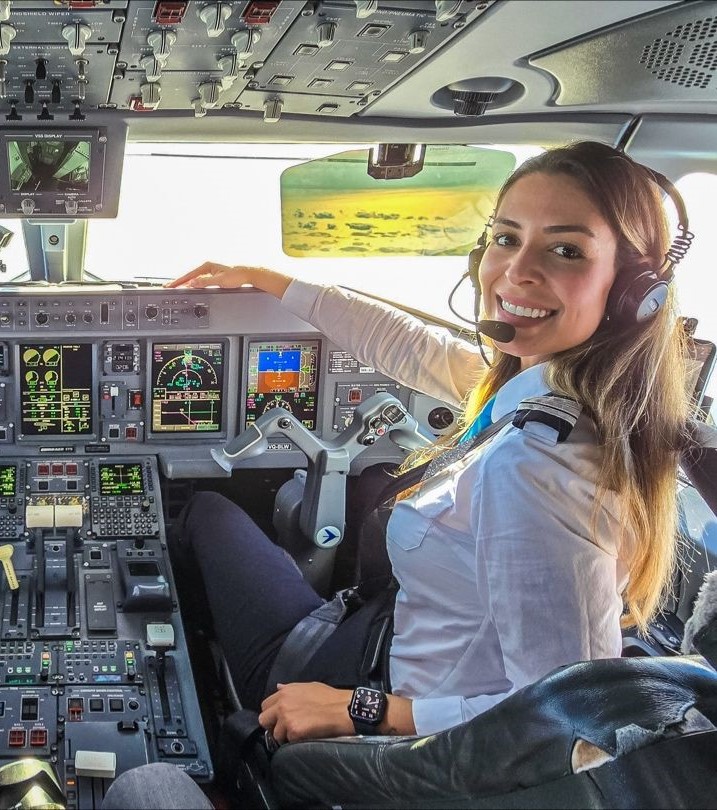
PAC uses a blended learning format combining real-world flying with flight simulation and classroom instruction and online coursework with individualized flight and ground training. Students also may rent aircraft between semesters to continue building flight time.
PAC students complete one certification per semester in a clear, linear progression:
PPL → IFR → CPL → CFI / CFII
Semester 1: Private Pilot License (PPL)
Semester 2: Instrument Rating (IFR)
Semester 3: Commercial Pilot License (CPL)
Semester 4 (Optional): Certified Flight Instructor (CFI/CFII)
Multi-Engine (Optional)
PAC uses a blended learning format combining in-person classroom instruction, structured online coursework, and individualized flight and ground training. Students may rent aircraft between semesters to continue building flight time.
Training Format & Weekly Commitment
PAC is structured as a part-time professional program with an accelerated full-time option.
Part-Time Commitment: 15–20 hours/week for 12–16 months
Full-Time Commitment: 30-40 hours / week for 6-9 months
Flight schedules require flexibility due to weather, maintenance, and resource availability.
Locations
Ground school is held at Tallahassee State College in Tallahassee, FL. Flight training is conducted at Tallahassee International Airport. The location provides access to:
Florida’s year-round flying conditions allow students to train consistently and efficiently.
Career Path After Graduation
Upon earning their CPL (~250 total flight hours), graduates typically build time as:
Once pilots reach 1500 total hours and obtain an Airline Transport Pilot (ATP) certificate, they are eligible for positions at airlines and advanced corporate and cargo operations.
PAC is structured to produce competitive applicants prepared for long-term aviation careers, not simply certificate completion.
Why the Pilot Shortage Matters
A sustained workforce shortage in aviation is expected for the next 10-20 years due to:
These factors have strengthened long-term demand for commercial pilots, allowing them to earn higher salaries and enjoy faster career progression than ever before.
Return on Investment & Career Outlook
This hiring environment is widely considered one of the strongest in aviation history.
PAC requires less time and often less total investment than most bachelor’s degree programs while offering access to a high-income professional career path.
Training Aircraft & Equipment
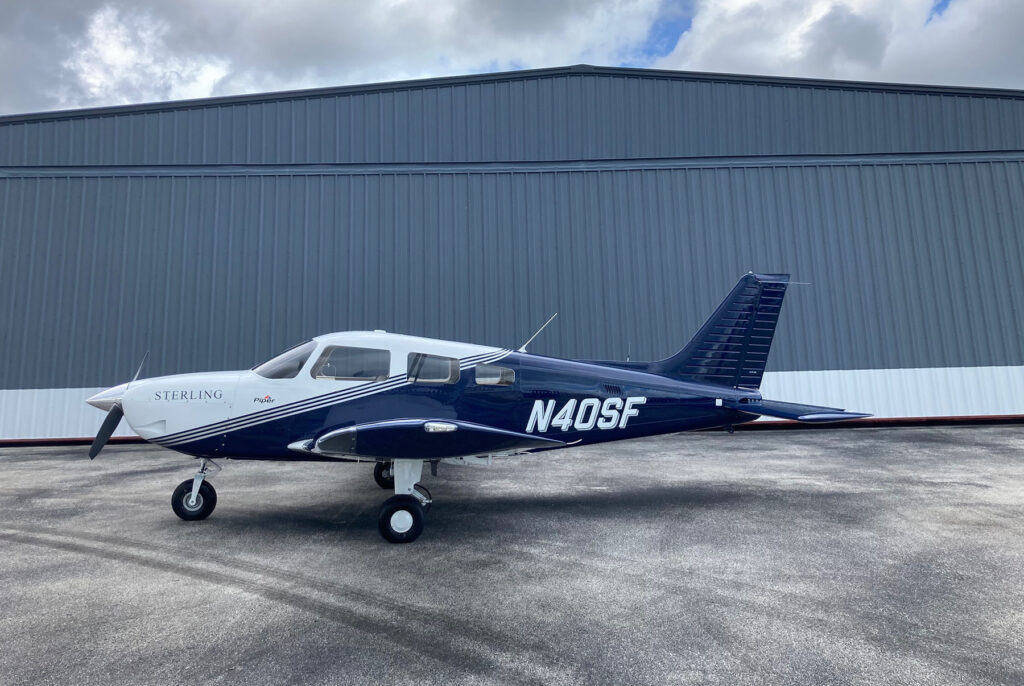
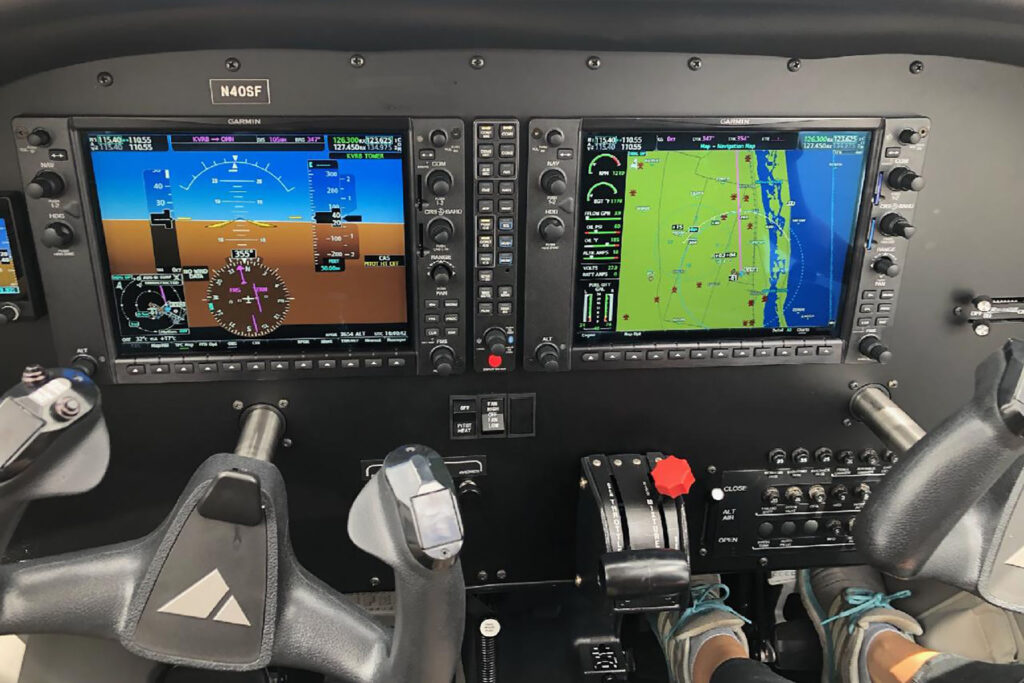
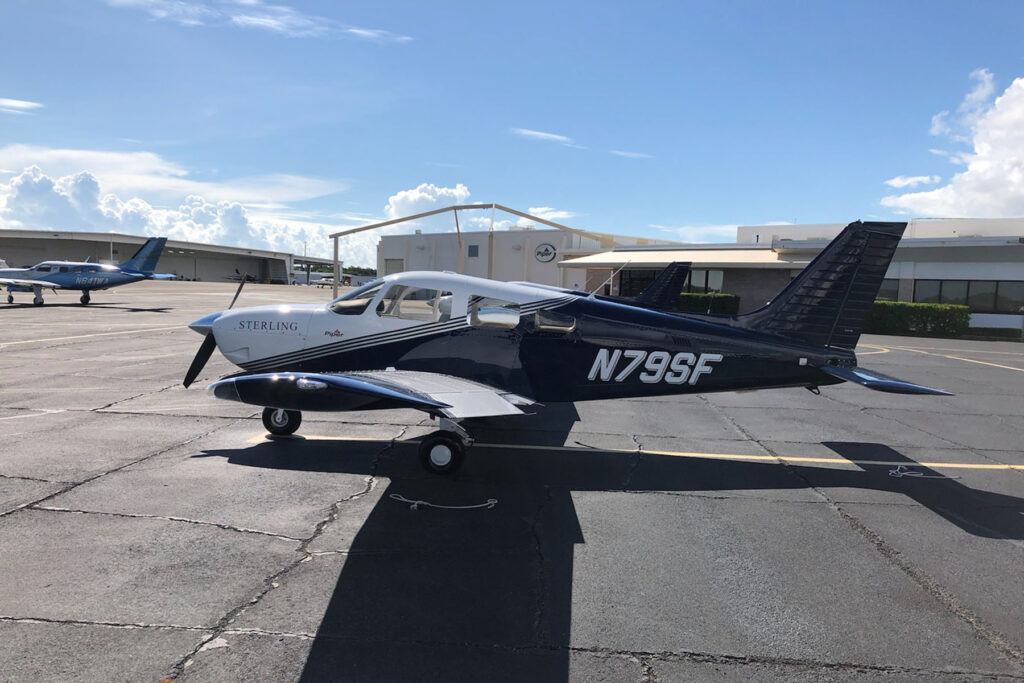
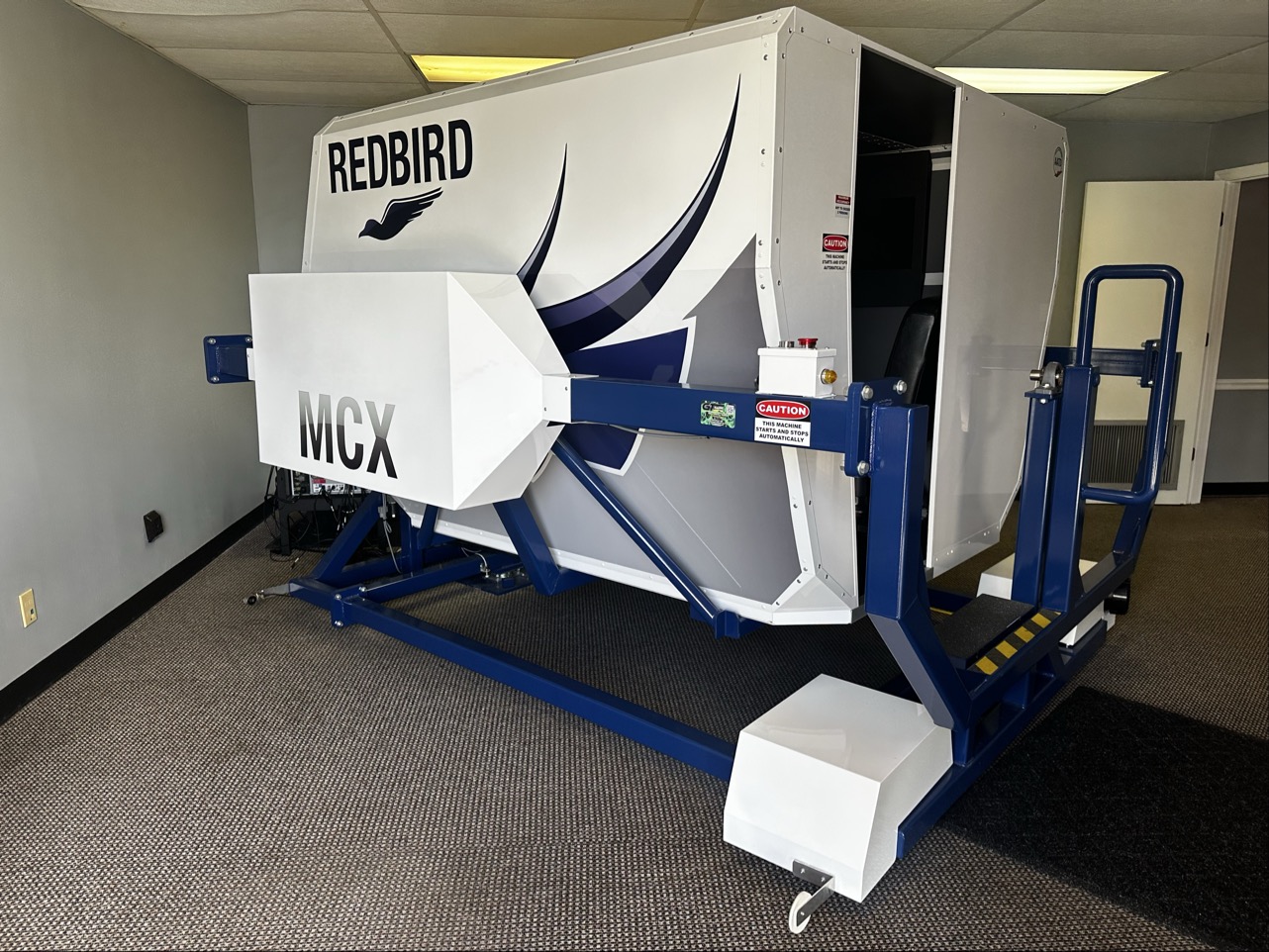
PAC prepares students for both legacy and modern cockpits.
Training that mixes “6-pack” and G1000 or other digital avionics ensures graduates are prepared to fly with old and new cockpit instruments, positioning them well to transition into older, bigger aircraft and also with ease into newer turbine and airline-style avionics.
Admissions Requirements
Applicants must:
Because FAA medical standards are strict, applicants are strongly encouraged to CONTACT US prior to scheduling their exam to avoid preventable delays.
Cost of Pilot Training in Florida
Estimated cost is $79,903 from zero hours to CPL, and total cost varies depending on student aptitude, hours in aircraft type, individual proficiency and certifications pursued:
| PAC COURSE | TUITION | FLIGHT FEES | EXAM FEES | OTHER FEES | TOTAL |
| Private Pilot | $1,400 | $20,328 | $1,500 | $3,350 | $26,578 |
| Instrument Pilot | $1,400 | $24,052 | $1,500 | $500 | $27,452 |
| Commercial Pilot | $1,400 | $21,923 | $1,500 | $1,050 | $25,873 |
| PAC TOTAL | $79,903 | ||||
| OPTIONAL COURSES | |||||
| Flight Instructor | $0 | $13,090 | $3,700 | $500 | $17,290 |
| Multiengine / MEI | $0 | $9,625 | $2,500 | $250 | $12,375 |
Financing options are available and vary by applicant:
For detailed pricing and financing guidance, please CONTACT US.
Program Founder & Academic Leadership


Dr. Chris Johnson, PhD, CFI, CFII, MEI
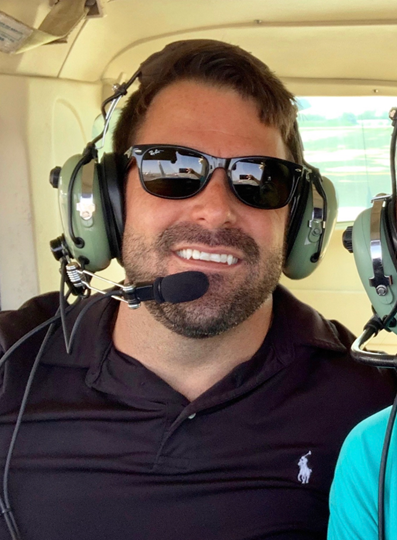
The PAC program was developed by Dr. Chris Johnson, an aviation educator, Air Force veteran, commercial pilot, and Certified Flight Instructor.
Prior to PAC, Dr. Johnson was a professor at Embry-Riddle Aeronautical University.
He earned his PhD in Engineering from University of Wisconsin–Madison, where he conducted FAA-funded research focused on improving pilot training safety and human-machine systems.
His academic work contributed to advancements in unmanned systems and aviation training technologies, including development of a weather simulator used to improve pilot and drone training.
Dr. Johnson also founded Pilot Training System, the aviation industry’s only fully free online ground school platform, which has grown to over 72,000 YouTube subscribers.
Start Your Pilot Training in Florida
If you’re ready to begin a professional aviation career without spending four years in a traditional degree program, PAC offers a direct and accelerated path.
APPLY NOW or CONTACT US to learn more.
Frequently Asked Questions (FAQs)
How long does it take to become a commercial pilot in Florida?
Most PAC students complete their Commercial Pilot License (CPL) within 12–16 months while training part-time. Full-time students can finish in 6-9 months, and all graduates finish with approximately 250–300 total flight hours.
Airline eligibility requires building additional flight time to meet the 1,500-hour ATP minimum, which takes 18-24 months of full-time flying.
What’s the job market like?
This is one of the strongest hiring cycles in aviation history driven by mandatory retirements at age 65 and sustained travel demand that has created a workforce shortage that is projected to last 10–20 years, resulting in higher starting pay, faster upgrades, and long-term career stability.
What is the difference between a commercial pilot and an airline pilot?
A Commercial Pilot License (CPL) allows a pilot to be paid for flying services such as charter / cargo, instruction, or corporate aviation.
An Airline Transport Pilot (ATP) license is required for airline employment and requires 1,500 total flight hours under FAA regulations.
Do airlines require a college degree?
US airlines no longer require a four-year degree. Hiring decisions are primarily based on FAA certifications, total flight time, training quality, and professional performance.
PAC provides a direct path to airline eligibility without requiring a traditional aviation degree program.
Why choose PAC over an aviation degree program?
Can I use my GI Bill?
The PAC program is not currently GI Bill eligible. Students should CONTACT US regarding future eligibility and other financing options.
How do I finance this?
Private financing is available to qualified borrowers (CONTACT US). Many scholarships and grants are available to qualified applicants, and these websites each list dozens of opportunities:
What are the medical requirements?
Students must obtain a First-Class Medical Certificate prior to enrollment to ensure future ATP eligibility. We strongly recommend students (and parents) CONTACT US before scheduling an exam to avoid common disqualifying issues.
Is insurance required?
Students who rent aircraft and purchase flight instruction from Sterling Flight Training are covered under the company’s insurance, but it is advised that students carry additional renter’s insurance, available through AOPA who offers a free 3-month student membership.
How do I sign up?
APPLY NOW or CONTACT US to learn more.